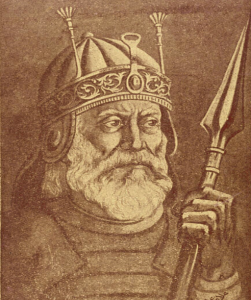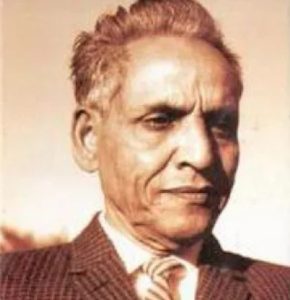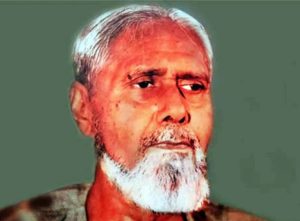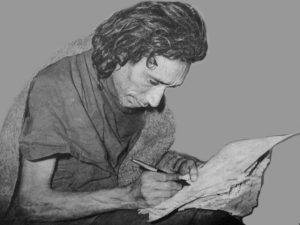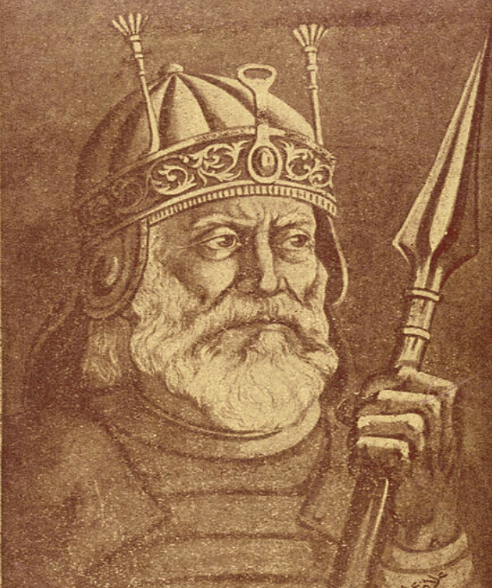
He was born in 1613 in Akora Khattak (near modern Nowshera, Khyber Pakhtunkhwa, Pakistan) into the Khattak tribe of Pashtuns. His father, Shahbaz Khan Khattak, was also a tribal chief. He became a chief of the Khattak tribe in his youth. Initially supporting the Mughal Empire, he later turned against Emperor Aurangzeb due to the injustices done to his people and fought for the independence and unity of the Pashtuns, calling on all Pashtun tribes to rise up against Mughal rule.
He wrote over 45,000 poems in the Pashtun language, making him one of the most famous poets in South Asia. The themes of his poetry are:
- Bravery and honor
- Love for the Pashtun land and people
- Hatred of oppression and oppression
- Unity of the Pashtuns
His works also cover philosophy, ethics, medicine, and politics. He is known for combining poetry with practical tribal wisdom.
He was one of the greatest Pashtun poets, warriors, and tribal chiefs in history. He is often called the “Father of Pashtun Poetry”.
He died in 1689 and is buried in his native village of Akora Khattak. He is remembered as a national hero of the Pashtuns, a symbol of resistance, and a cultural reformer. Many institutions, roads, and projects in Pakistan are named after him, including the Khushal Khan Khattak Express train.