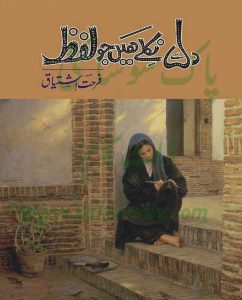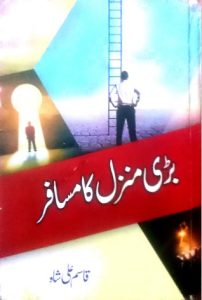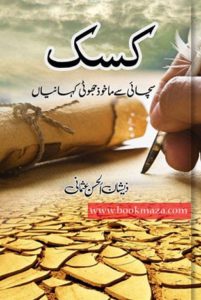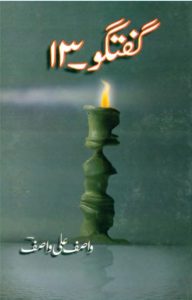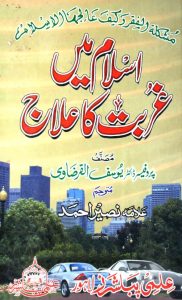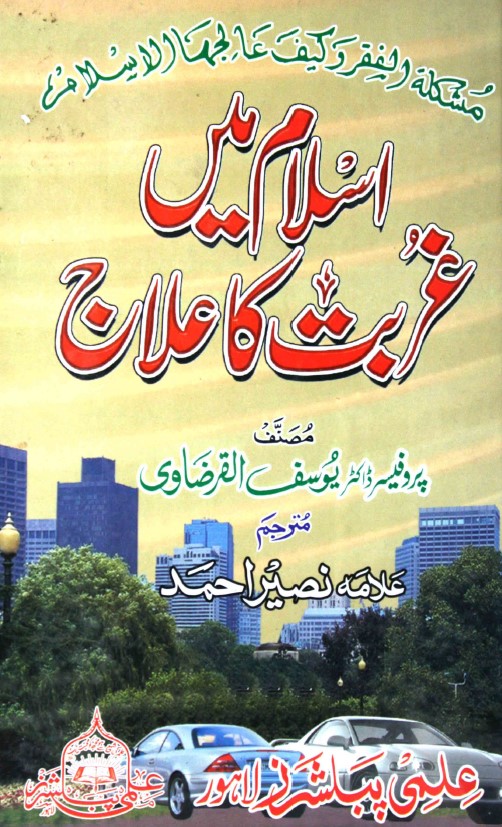
In this book, it is shown that poverty in Islam is not just a fate or an inevitable condition but something that has moral, social, institutional dimensions, i.e. something to be addressed individually and collectively.
The book presents evidence from the Quran, Hadith, jurisprudence scholars and historical practice to argue for the necessity of formal systems (such as zakat, public welfare, community support).
It helps the reader to understand how moral/spiritual values (such as generosity, justice, solidarity) are included in the Islamic response to poverty – not just economic formulas.
It provides a balance; personal responsibility and social order. So readers see that the eradication of poverty is not only about ongoing charity but also about proper economic structures, fair distribution, etc.