How is zakat calculated?
The standard zakat rate is 2.5 percent (one-40th) of one’s eligible wealth.

The standard zakat rate is 2.5 percent (one-40th) of one’s eligible wealth.
The Zakat page on mithankot.com provides detailed and authentic information on the importance of Zakat as one of the Five Pillars of Islam. It clearly explains what Zakat is, on whom it is obligatory, and the concept of Nisab according to Islamic teachings. The page guides readers on how to calculate Zakat on cash, gold, silver, business assets, agricultural produce, and savings in a simple and practical manner.
It also explains the fixed rate (usually 2.5% on eligible savings after one lunar year) and identifies the right recipients as mentioned in the Holy Quran. In addition, the page provides guidance on paying Zakat according to the Sunnah of the Prophet (PBUH), emphasizing sincerity (ikhlas), timely payment, and giving directly to deserving individuals such as the poor and needy. Overall, the Zakat page serves as a complete guide, helping readers to properly fulfill this important obligation and gain spiritual rewards while helping those in need.
Zakat is one of the 5 pillars of Islam and an essential aspect of the Islamic faith. It is a form of charity that requires Muslims to donate a specific portion of their wealth to those in need.
Zakat, which means “purification,” is a way for Muslims to cleanse their souls and show gratitude to Allah (SWT) for the blessings they have received.
In mithankot.com, we will examine the definition, importance, obligation, calculation, distribution, recipients, benefits, differences with sadaqah, and common misconceptions associated with zakat.
زکوٰۃ اسلام کے 5 ستونوں میں سے ایک ہے اور اسلامی عقیدے کا ایک لازمی پہلو ہے۔ یہ صدقہ کی ایک شکل ہے جس میں مسلمانوں سے ضرورت مندوں کو اپنی دولت کا ایک مخصوص حصہ عطیہ کرنے کی ضرورت ہوتی ہے۔
زکوٰۃ، جس کا مطلب ہے “تزکیہ”، مسلمانوں کے لیے اپنی روح کو پاک کرنے اور ان کو ملنے والی نعمتوں کے لیے اللہ کا شکر ادا کرنے کا ایک طریقہ ہے۔۔
مٹھن کوٹ ویب سائیٹ میں ہم تعریف، اہمیت، فرض، حساب، تقسیم، وصول کنندگان، فوائد، صدقہ کے ساتھ فرق، اور زکوٰۃ سے وابستہ عام غلط فہمیوں کا جائزہ لیں گے۔
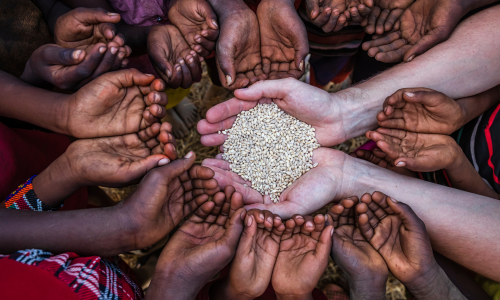


Zakat is an act of worship that has been decreed by Allah in the Qura’n. It is a way for Muslims to fulfill their obligation to care for the less fortunate members of society.
The payment of zakat is considered a duty for those who possess a certain minimum amount of wealth, known as nisab.
The payment of zakat is intended to purify the wealth of the donor and provide for the needs of the poor.
Zakat is a mandatory charitable contribution that Muslims are required to give to the destitute and needy. It is calculated based on a percentage of a Muslim’s wealth or assets.
Zakat is one of the 5 pillars of Islam and is considered a fundamental duty for Muslims. It is an act of worship demonstrating a Muslim’s commitment to their faith.
In addition, the payment of zakat is also believed to bring blessings and barakah to the giver and their wealth.
It is a means of cleansing one’s soul and a way of fulfilling the obligation to care for the less fortunate members of society.
زکوٰۃ ایک ایسی عبادت ہے جس کا حکم اللہ تعالیٰ نے قرآن مجید میں دیا ہے۔ یہ مسلمانوں کے لیے معاشرے کے کم نصیب افراد کی دیکھ بھال کے لیے اپنی ذمہ داری کو پورا کرنے کا ایک طریقہ ہے۔
زکوٰۃ کی ادائیگی ان لوگوں کے لیے فرض سمجھی جاتی ہے جن کے پاس ایک خاص کم از کم دولت ہے جسے نصاب کہا جاتا ہے۔
زکوٰۃ کی ادائیگی کا مقصد عطیہ کرنے والے کے مال کو پاک کرنا اور غریبوں کی ضروریات کو پورا کرنا ہے۔
زکوٰۃ اسلام کے 5 ستونوں میں سے ایک ہے اور مسلمانوں کے لیے ایک بنیادی فریضہ سمجھا جاتا ہے۔ یہ ایک عبادت ہے جو ایک مسلمان کے اپنے عقیدے سے وابستگی کو ظاہر کرتی ہے۔
اس کے علاوہ زکوٰۃ کی ادائیگی دینے والے اور ان کے مال میں برکت اور برکت کا بھی خیال ہے۔
یہ کسی کی روح کو صاف کرنے کا ایک ذریعہ ہے اور معاشرے کے کم خوش قسمت افراد کی دیکھ بھال کرنے کی ذمہ داری کو پورا کرنے کا ایک طریقہ ہے۔
Zakat is obligatory for all Muslims who possess wealth above a certain minimum threshold, known as nisab.
The payment of zakat is a way for Muslims to fulfill their obligation to Allah (SWT) and to care for those in need.
Muslims who possess wealth above the nisab threshold are obligated to pay zakat.
This includes individuals who own assets such as gold, silver, cash, real estate, and investments.
The nisab is the minimum amount of wealth or assets a Muslim must possess before paying zakat.
In addition, nisab is calculated based on the current value of gold and silver.
Zakat is calculated as 2.5% of a Muslim’s wealth or assets above the nisab threshold. The calculation is based on the value of the assets held for one lunar year.
نصاب کی حد سے زیادہ مال رکھنے والے مسلمانوں پر زکوٰۃ ادا کرنا واجب ہے۔
اس میں وہ افراد شامل ہیں جو سونے، چاندی، نقدی، رئیل اسٹیٹ اور سرمایہ کاری جیسے اثاثوں کے مالک ہیں۔
نصاب دولت یا اثاثوں کی کم از کم رقم ہے جو زکوٰۃ ادا کرنے سے پہلے ایک مسلمان کے پاس ہونی چاہیے۔
اس کے علاوہ، نصاب کا حساب سونے اور چاندی کی موجودہ قیمت کی بنیاد پر کیا جاتا ہے۔
زکوٰۃ کا حساب مسلمان کی دولت یا نصاب کی حد سے اوپر کے اثاثوں کا 2.5% ہے۔ حساب کتاب ایک قمری سال کے لیے رکھے گئے اثاثوں کی قیمت پر مبنی ہے۔
Zakat is distributed to those in need, including people experiencing poverty, orphans, widows, and those in debt. It is a means of providing for the less privileged members of society.
The Qur’an outlines eight categories of people who are eligible to receive zakat. They are:
1. The poor and needy
2. Those who are destitute
3. Zakat collectors and distributors
4. Those whose hearts are to be reconciled
5. Those in bondage or enslaved
6. Those who are in debt
7. Those who are fighting for the cause of Allah
Allah (SWT) said in the holy Qura’n:
“The alms are meant only for the poor and the needy and those who are in charge thereof, those whose hearts are to be reconciled, and to free those in bondage, and to help those burdened with debt, and for expenditure in the Way of Allah and for the wayfarer. This is an obligation from Allah. Allah is All-Knowing, All-Wise,” (Surat al-Tawba: 60).
There are 2 main categories of zakat: Zakat al-Mal and Zakat al-Fitr.
Zakat al-Mal is the payment of zakat on wealth or assets, while Zakat al-Fitr is the payment of zakat on behalf of every Muslim for the month of Ramadan.
زکوٰۃ ان لوگوں میں تقسیم کی جاتی ہے جن میں غربت کا سامنا کرنے والے افراد، یتیموں، بیواؤں اور قرض داروں سمیت شامل ہیں۔یہ معاشرے کے کم مراعات یافتہ افراد کو فراہم کرنے کا ایک ذریعہ ہے۔
قرآن نے لوگوں کی آٹھ قسمیں بیان کی ہیں جو زکوٰۃ وصول کرنے کے اہل ہیں۔ وہ ہیں:
غریب اور محتاج
وہ لوگ جو نادار ہیں۔
زکوٰۃ جمع کرنے والے اور تقسیم کرنے والے
جن کے دلوں میں صلح کرنی ہے۔
وہ لوگ جو غلامی میں ہیں یا غلام ہیں۔
وہ لوگ جو مقروض ہیں۔
وہ لوگ جو اللہ کی راہ میں لڑ رہے ہیں۔
اللہ تعالیٰ نے قرآن پاک میں فرمایا
“صدقہ صرف غریبوں اور مسکینوں اور اس کے ذمہ داروں کے لیے ہے، ان لوگوں کے لیے جن کے دلوں میں میل ملاپ ہے، اور غلاموں کو آزاد کرنے کے لیے، اور قرض کے بوجھ تلے دبے ہوئے لوگوں کی مدد کرنا، اور اللہ کی راہ میں اور مسافروں کے لیے خرچ کرنا، یہ اللہ کی طرف سے ایک فرض ہے، اللہ سب کچھ جاننے والا، حکمت والا ہے” (6)۔
زکوٰۃ کی 2 اہم قسمیں ہیں: زکوٰۃ المال اور زکوٰۃ الفطر۔
زکوٰۃ المال مال یا اثاثوں پر زکوٰۃ کی ادائیگی ہے، جب کہ زکوٰۃ الفطر ہر مسلمان کی جانب سے ماہ رمضان کے لیے زکوٰۃ کی ادائیگی ہے۔
Fitrana (or Zakat al-Fitr) is an obligatory, mandatory charity paid by Muslims at the end of Ramadan, before the Eid-ul-Fitr prayer, to ensure the poor can celebrate the holiday. It is required for every self-supporting Muslim with food/wealth in excess of their basic needs.
Key Aspects of Fitrana:
فطرانہ (یا زکوٰۃ الفطر) ایک واجب، لازمی صدقہ ہے جو مسلمانوں کی طرف سے رمضان کے آخر میں، عیدالفطر کی نماز سے پہلے ادا کیا جاتا ہے، تاکہ یہ یقینی بنایا جا سکے کہ غریب لوگ چھٹی منا سکیں۔ یہ ہر خود مدد کرنے والے مسلمان کے لیے ضروری ہے کہ وہ اپنی بنیادی ضروریات سے زیادہ خوراک/دولت کا حامل ہو۔
فطرانہ کے اہم پہلو
کون ادا کرتا ہے: ہر مسلمان (بالغ یا بچہ) جس کے پاس اپنی روزمرہ کی ضروریات سے زیادہ خوراک یا دولت ہے۔ گھر کا سربراہ اپنے زیر کفالت افراد کی طرف سے ادائیگی کر سکتا ہے۔
مقصد: یہ روزہ دار کو “کسی بھی بے حیائی یا تقریر” سے پاک کرتا ہے اور ضرورت مندوں کو کھانا فراہم کرتا ہے۔
رقم: روایتی طور پر، ایک صاع (تقریباً 2.5-3 کلوگرام) اہم غذا جیسے گندم، جو، یا چاول۔
وقت: عید کی نماز سے پہلے دینا ضروری ہے۔
زکوٰۃ سے فرق: سالانہ زکوٰۃ کے برعکس، جس کے لیے پورے سال کے لیے نصاب کی حد سے زیادہ مال کی ضرورت ہوتی ہے، فطرانہ ایک چھوٹا، لازمی عطیہ ہے جو خاص طور پر رمضان کی تکمیل پر مبنی ہے۔
Giving zakat has numerous benefits and rewards, both spiritual and social.
The payment of zakat is considered an act of worship and a means of cleansing one’s soul.
Zakat is a means of caring for the less fortunate members of society and providing for their basic needs.
It upholds social justice and equality and strengthens the bonds of brotherhood and sisterhood within the Muslim community.
زکوٰۃ دینے کے روحانی اور سماجی دونوں طرح کے بے شمار فوائد اور انعامات ہیں۔
زکوٰۃ کی ادائیگی کو ایک عبادت اور روح کی صفائی کا ذریعہ سمجھا جاتا ہے۔
زکوٰۃ معاشرے کے کم نصیب افراد کی دیکھ بھال اور ان کی بنیادی ضروریات کی فراہمی کا ایک ذریعہ ہے۔
یہ سماجی انصاف اور مساوات کو برقرار رکھتا ہے اور مسلم کمیونٹی کے اندر بھائی چارے اور بھائی چارے کے رشتوں کو مضبوط کرتا ہے۔
Zakat and sadaqah are both forms of charity in Islam, but they have some differences.
Zakat is a mandatory form of charity that is required of all Muslims who possess wealth above the nisab threshold.
It is calculated based on a specific percentage of a Muslim’s wealth or assets.
Sadaqah, on the other hand, is a voluntary form of charity that can be given in any amount and at any time.
While zakat is mandatory, sadaqah is considered a highly recommended act of worship in Islam.
Giving sadaqah is a way to please Allah the Almighty and to earn rewards and blessings.
It is also a means of cleansing one’s soul and a way of providing for those in need.
زکوٰۃ اور صدقہ دونوں اسلام میں صدقہ کی شکلیں ہیں، لیکن ان میں کچھ اختلافات ہیں۔
زکوٰۃ صدقہ کی ایک لازمی شکل ہے جو ان تمام مسلمانوں پر لازم ہے جن کے پاس نصاب کی حد سے زیادہ دولت ہے۔
اس کا حساب مسلمان کی دولت یا اثاثوں کے مخصوص فیصد کی بنیاد پر کیا جاتا ہے۔
جب کہ زکوٰۃ لازمی ہے، صدقہ کو اسلام میں ایک انتہائی مستحسن عبادت سمجھا جاتا ہے۔
صدقہ دینا اللہ تعالیٰ کو راضی کرنے اور اجر وثواب حاصل کرنے کا ایک طریقہ ہے۔
یہ کسی کی روح کو پاک کرنے کا ایک ذریعہ اور ضرورت مندوں کو فراہم کرنے کا ایک طریقہ بھی ہے۔
There are several misconceptions associated with zakat that need to be addressed.
Zakat is not just any form of charity; it is a specific type of charitable contribution that is mandatory for Muslims who possess wealth above the nisab threshold.
It is an act of worship and a means of fulfilling one’s obligation to Allah.
While zakat is often referred to as a tax, it is not the same as a government tax.
Zakat is a form of religious obligation paid directly to the poor, whereas the government collects taxes to fund public services.
زکوٰۃ سے متعلق کئی غلط فہمیاں ہیں جن کو دور کرنے کی ضرورت ہے۔
زکوٰۃ صرف خیرات کی کوئی شکل نہیں ہے۔یہ ایک مخصوص قسم کی خیراتی امداد ہے جو ان مسلمانوں کے لیے لازمی ہے جن کے پاس نصاب کی حد سے زیادہ دولت ہے۔
یہ عبادت کا ایک عمل ہے اور اللہ کے لیے کسی کی ذمہ داری کو پورا کرنے کا ایک ذریعہ ہے۔
جبکہ زکوٰۃ کو اکثر ٹیکس کہا جاتا ہے، لیکن یہ حکومتی ٹیکس جیسا نہیں ہے۔
زکوٰۃ ایک قسم کی مذہبی ذمہ داری ہے جو براہ راست غریبوں کو ادا کی جاتی ہے، جبکہ حکومت عوامی خدمات کو فنڈ دینے کے لیے ٹیکس جمع کرتی ہے۔
Zakat is a crucial aspect of the Islamic faith that is practiced by Muslims all around the world.
Practically, zakat involves calculating and paying a specific portion of one’s wealth or assets to those in need.
Muslims who possess wealth above the nisab threshold are obligated to pay zakat, which is typically paid once a year during the Islamic lunar month of Ramadan.
Zakat is typically paid once a year, during the Islamic lunar month of Ramadan.
Muslims can calculate and pay zakat on their own, or they can seek the assistance of zakat organizations and initiatives that facilitate the collection and distribution of zakat.
It is substantial for Muslims to ensure that they pay their zakat on time and in the correct amount, as it is a mandatory act of worship and a way to fulfill their obligation to Allah and care for those in need.
Zakat-al-Fitr is a special type of zakat that is paid during the month of Ramadan.
It is a mandatory payment that is made on behalf of every Muslim, regardless of their wealth or assets.
The purpose of zakat-al-fitr is to provide for the basic needs of the less fortunate members of society during Ramadan.
زکوٰۃ اسلامی عقیدے کا ایک اہم پہلو ہے جس پر پوری دنیا کے مسلمان عمل کرتے ہیں۔
عملی طور پر زکوٰۃ میں کسی کے مال یا اثاثوں کا ایک مخصوص حصہ حساب لگانا اور ضرورت مندوں کو ادا کرنا شامل ہے۔
زکوٰۃ عام طور پر سال میں ایک بار اسلامی قمری مہینے رمضان میں ادا کی جاتی ہے۔
مسلمان اپنے طور پر زکوٰۃ کا حساب لگا سکتے ہیں اور ادا کر سکتے ہیں، یا وہ زکوٰۃ کی تنظیموں اور اقدامات سے مدد لے سکتے ہیں جو زکوٰۃ کی وصولی اور تقسیم میں سہولت فراہم کرتے ہیں۔
مسلمانوں کے لیے یہ یقینی بنانا کافی ہے کہ وہ اپنی زکوٰۃ وقت پر اور صحیح رقم میں ادا کریں، کیونکہ یہ ایک لازمی عبادت ہے اور اللہ کے لیے اپنی ذمہ داری کو پورا کرنے اور ضرورت مندوں کی دیکھ بھال کا ایک طریقہ ہے۔
زکوٰۃ الفطر زکوٰۃ کی ایک خاص قسم ہے جو رمضان کے مہینے میں ادا کی جاتی ہے۔
یہ ایک لازمی ادائیگی ہے جو ہر مسلمان کی جانب سے کی جاتی ہے، خواہ ان کی دولت یا اثاثہ کچھ بھی ہو۔
زکوٰۃ الفطر کا مقصد رمضان کے دوران معاشرے کے کم نصیب افراد کی بنیادی ضروریات کو پورا کرنا ہے۔
Zakat plays an important role in the modern world, both within Muslim communities and beyond.
Many zakat organizations and initiatives have been established to facilitate the collection and distribution of zakat, and to ensure that it is used effectively to provide for those in need.
Zakat has the potential to significantly impact poverty reduction and social justice, both locally and globally.
There are multiple zakat organizations and initiatives worldwide that facilitate the collection and distribution of zakat.
These organizations play a key role in ensuring that zakat is used effectively to provide for those in need and to promote social justice.
Zakat has a substantial global impact that cannot be disregarded. It has the potential to significantly impact poverty reduction and social justice, both locally and globally.
When used effectively, zakat can provide for the less fortunate members of society, including food, shelter, education, and healthcare.
Zakat can also be used to support sustainable development initiatives that promote economic empowerment and self-sufficiency.
زکوٰۃ جدید دنیا میں، مسلم کمیونٹیز اور اس سے باہر دونوں میں ایک اہم کردار ادا کرتی ہے۔
زکوٰۃ کی وصولی اور تقسیم میں سہولت فراہم کرنے اور ضرورت مندوں کو فراہم کرنے کے لیے اس کا مؤثر طریقے سے استعمال کو یقینی بنانے کے لیے بہت سی زکوٰۃ تنظیمیں اور اقدامات قائم کیے گئے ہیں۔
زکوٰۃ میں مقامی اور عالمی سطح پر غربت میں کمی اور سماجی انصاف کو نمایاں طور پر متاثر کرنے کی صلاحیت ہے۔
دنیا بھر میں زکوٰۃ کی متعدد تنظیمیں اور اقدامات ہیں جو زکوٰۃ کی وصولی اور تقسیم میں سہولت فراہم کرتے ہیں۔
یہ تنظیمیں اس بات کو یقینی بنانے میں کلیدی کردار ادا کرتی ہیں کہ زکوٰۃ کو ضرورت مندوں کی فراہمی اور سماجی انصاف کو فروغ دینے کے لیے مؤثر طریقے سے استعمال کیا جائے۔
زکوٰۃ کا کافی عالمی اثر ہے جسے نظرانداز نہیں کیا جا سکتا۔ یہ مقامی اور عالمی سطح پر غربت میں کمی اور سماجی انصاف کو نمایاں طور پر متاثر کرنے کی صلاحیت رکھتا ہے۔
جب مؤثر طریقے سے استعمال کیا جائے تو، زکوٰۃ معاشرے کے کم خوش نصیب افراد کے لیے مہیا کر سکتی ہے، بشمول خوراک، رہائش، تعلیم اور صحت کی دیکھ بھال۔
زکوٰۃ کو پائیدار ترقیاتی اقدامات کی حمایت کے لیے بھی استعمال کیا جا سکتا ہے جو اقتصادی بااختیار بنانے اور خود کفالت کو فروغ دیتے ہیں۔