FASTING TIMES IN MITHAN KOT
SUHOOR TIME: 05:13 AM

َوَبِصَوْمِ غَدٍ نَّوَيْتُ مِنْ شَهْرِ رَمَضَانَ
"اورمیں نے ماہ رمضان کے کل کے روزے کی نیت کی"
IFTAR TIME: 06:28 PM


SUHOOR TIME: 05:13 AM
IFTAR TIME: 06:28 PM
The Ramzan page on mithankot.com provides comprehensive and authentic information about the blessed month of Ramadan, guiding readers on its spiritual significance and practical observance. It explains the virtues of fasting as prescribed in the Holy Quran and the Sunnah of HAZRAT MUHAMMAD (PEACE BE UPON HIM), highlighting the importance of patience, self-control and charity (Zakat) during this holy month. The page provides step-by-step guidance on daily prayers (Namaz), Taraweeh, and how to fast from Suhoor to Iftar according to Islamic teachings. It also explains the importance of Lailatul Qadr (Night of Power), its virtues, recommended supplications, and the acts of worship of the last ten days (Last Ashra). Furthermore, the page provides clear instructions on performing Aitakaf in the mosque, including its rules, conditions, and spiritual benefits. Overall, the Ramadan page serves as a complete spiritual guide, helping readers strengthen their faith, increase their worship, and fully benefit from the blessings of this holy month. This page also provideS Ramadan Calendar for the people of mithankot.
Ramadan is the 9th month in Islamic calendar / Hijri Calendar. The length of the Month varies between 29 and 30 days depending on the sighting of the Shawwal Moon which leads to the much awaited Islamic festival of Eid-ul-Fitr on the 1st of Shawwal. Ramadan is one of the Five Pillars of Islam and during this holy month, Al-Quran was first revealed to the Prophet Mohammed (S.A.W.). The word ‘Ramadan’ comes from the Arabic world ‘Ramad / Ramida’ which means scorching heat or drought. So the word Ramadan means abstinence from eating and/or drinking anything from dawn till dusk.
The word Fasting has different words in different languages around the world. It is known as ‘ayuno‘ in Spanish, ‘Jeûne’ in French, ‘Perhiz’ in Turkish, ’ صوم/ صيام ‘ in Arabic and ‘Puasa’ in Indonesian and Malay. The word ‘Sawm / Siyam’ (صوم/ صيام) means to abstain or refrain from something. It means to refrain from food, drink, sexual intercourse and all that which breaks the fast with the sole intention of obeying the commandments of Allah. Whoever denies this obligation of fasting during Ramadan does not remain a Muslim.
The food eaten before Fajr time is known as ‘Suhoor’ and the food eaten after sunset (Maghrib Salah) is known as ‘Iftar’.
اسلامی کیلنڈر / ہجری کیلنڈر میں رمضان 9واں مہینہ ہے۔ ماہ کی طوالت 29 سے 30 دنوں کے درمیان ہوتی ہے شوال کا چاند نظر آنے کے لحاظ سے جس کی وجہ سے یکم شوال کو عید الفطر کا اسلامی تہوار منایا جاتا ہے۔ رمضان اسلام کے پانچ ستونوں میں سے ایک ہے اور اس مقدس مہینے کے دوران، قرآن مجید سب سے پہلے حضرت محمد صلی اللہ علیہ وسلم پر نازل ہوا۔
لفظ ‘رمضان’ عربی دنیا سے آیا ہے ‘رماد / رمیدہ’ جس کا مطلب ہے جھلسا دینے والی گرمی یا خشک سالی۔ لہٰذا لفظ رمضان کا مطلب ہے صبح سے شام تک کھانے اور/یا پینے سے پرہیز۔
لفظ روزہ کے دنیا بھر کی مختلف زبانوں میں مختلف الفاظ ہیں۔ اسے ہسپانوی میں ’ایونو‘، فرانسیسی میں ’جیون‘، ترکی میں ’پرہیز‘، عربی میں ’صوم/صیام‘ اور انڈونیشیائی اور مالے میں ’پوسا‘ کے نام سے جانا جاتا ہے۔ صوم صیام (صوم/ صیام) کا مطلب ہے کسی چیز سے پرہیز یا پرہیز کرنا۔ اس کا مطلب یہ ہے کہ کھانے پینے، مباشرت اور ان تمام چیزوں سے پرہیز کریں جن سے صرف اللہ کے احکام کی تعمیل کی نیت سے روزہ ٹوٹ جاتا ہے۔ جو شخص رمضان کے روزوں کی اس فرضیت کا انکار کرتا ہے وہ مسلمان نہیں رہتا۔
فجر کے وقت سے پہلے کھائے جانے والے کھانے کو سحری کہتے ہیں اور غروب آفتاب (مغرب کی نماز) کے بعد کھائے جانے والے کھانے کو افطار کہتے ہیں۔


Even though fasting in Ramadan is obligatory upon every able Muslim, Allah has pardoned and excused certain people from fasting if they are unable to fast during Ramadan due to certain legitimate reasons. In Surah Al-Baqarah (2:185), Allah Has clearly mentioned that sick people and travelers are exempted from fasting during Ramadan. In addition to that, in the light of this Ayah and according to many scholars, following people are also exempt from fasting:
1- Physically or Mentally ill people
2- Travelers
3- Women during menstruation
4- Women who are pregnant or breastfeeding.
5- Elderly People (if fasting will cause their health to deteriorate further)
6- Children who have not reached puberty
Things that invalidate the Fast
Things that invalidate one’s fast are:
1- Medication taken through nose or ears
2- Vomit Intentionally
3- Water accidentally goes down the throat whilst gargling
4- Ejaculating because of contact with a woman
5- Swallowing items
6- Smoking a cigarette
7- Continuing to eat or drink after eating or drinking unintentionally and assuming the fast has already been broken
8- Eating after Suhoor / Subh Sadiq / Sehri (starting time of Fast before Fajr Salah) with the impression of it being before Suhoor / Subh Sadiq
9- Eating Iftar (meal to be consumed after breaking the fast at Maghrib Salah) at the wrong time i.e. eating it before sunset with the assumption that it is after sunset
اگرچہ رمضان المبارک کے روزے ہر صاحب استطاعت مسلمان پر فرض ہیں، لیکن اللہ تعالیٰ نے بعض لوگوں کے روزے سے معافی اور معافی دی ہے اگر وہ بعض جائز وجوہات کی بنا پر رمضان کے روزے نہ رکھ سکیں۔ سورۃ البقرہ (2:185) میں اللہ تعالیٰ نے واضح طور پر بتایا ہے کہ بیمار اور مسافر رمضان کے روزے سے مستثنیٰ ہیں۔ اس کے علاوہ اس آیت کی روشنی میں اور بہت سے علماء کے نزدیک مندرجہ ذیل لوگ بھی روزہ سے مستثنیٰ ہیں
جسمانی یا ذہنی طور پر بیمار لوگ
مسافر
حیض کے دوران خواتین
حاملہ یا دودھ پلانے والی خواتین۔
بوڑھے لوگ (اگر روزہ رکھنے سے ان کی صحت مزید خراب ہو جائے گی)
وہ بچے جو بلوغت کو نہ پہنچے ہوں۔
روزے کو باطل کرنے والی چیزیں
وہ چیزیں جو روزہ کو باطل کرتی ہیں
ناک یا کان کے ذریعے لی جانے والی دوا
جان بوجھ کر قے کرنا
غرارہ کرنے کے دوران غلطی سے پانی حلق میں چلا جاتا ہے۔
عورت سے میل جول کی وجہ سے انزال ہونا
نگلنے والی اشیاء
سگریٹ پینا
کھانے پینے کے بعد بلا ارادہ کھانا پینا جاری رکھنا اور یہ سمجھنا کہ روزہ ٹوٹ چکا ہے۔
سحری/صبح صادق/سحری کے بعد کھانا (فجر کی نماز سے پہلے روزے کا وقت) اس تاثر کے ساتھ کہ یہ سحری/صبح صادق سے پہلے ہے۔
افطار (مغرب کی نماز میں افطار کے بعد کھائی جانے والی خوراک) غلط وقت پر کھانا، یعنی غروب آفتاب سے پہلے یہ خیال کر کے کھانا کہ یہ غروب آفتاب کے بعد ہے۔
The month of Ramadan is an opportunity given by the Gracious Creator for His servants to come close to Him, seek forgiveness for their sins, and fulfill their religious duties. Allah Has said in The Quran:
“… and men who fast and women who fast, … Allah has prepared for them forgiveness and a mighty reward.”
(Surah Al-Ahzab, 33:35)
All past sins of a fasting person will be forgiven:
It was narrated by Abu Huraira (R.A.) that Prophet Mohammad (S.A.W.) said:
“Whoever fasts Ramadan out of faith and hope for reward, his past sins will be forgiven.”
(Sahih Bukhari: 38)
Gates of Heaven are opened
It was narrated by Abu Huraira (R.A.) that Messenger of Allah (S.A.W.) said:
“When the month of Ramadan starts, the gates of the heaven are opened and the gates of Hell are closed and the devils are chained.”
(Sahih Bukhari: 1899)
Reward of all good deeds are increased by Seventy Times
Salmaan Farsi (R.A.) says that on the last day of Shabaan, Allah’s Messenger (S.A.W.) spoke us and said:
‘O People, there comes to you a great month now, a most blessed month, in which is a night greater in value and goodness than a thousand months. It is a month in which Allah Has made fasting fardh (obligatory) by day and has made Sunnah the Taraweeh Salah by night. Whosoever wants to be close to Allah by doing any good deed, for such person shall be the reward like the one who had performed a fardh in any other time and whoever performs a fardh (obligation), shall be given the reward of seventy faraaidh (obligations) in any other time.’
(Ref: Sahih Ibn Khuzaymah, Hadith No. 1887)
Make most out of Ramadan:
One can make the most out of Ramadan by doing the following good deeds:
Recite Quran Kareem
Ramadan is also called the month of the Quran so one must Recite Al Quran during the whole month. Tarawih Prayers – usually held in mosques – is one of the ways Muslims can complete the recitation of The Holy Quran. These Prayers are known as ‘Mustahab’ (an action which will be rewarded but the omission of which is not punishable) for Muslims to read the whole Quran during Ramadan and strive to complete it. However, it is not obligatory. Some Muslims do it by Completing one (1) Juz’ each day for the 30 Days of Ramadan.
Find Lailat ul Qadr
Lailat ul Qadr, also called the ‘Night of Power’ is one of the most coveted nights of the Islamic Year. it is not clear which night is Laylat ul Qadr. However, according to authentic teachings of the Prophet Muhammad (S.A.W.), Muslims are advised to spend the 21st, 23rd, 25th, 27th and 29th nights of Ramadan in worship and doing good deeds to assure finding Laylat ul Qadr.
Learn more about Laylatul Qadr 2026
Observe Itikaf
Itikaf means to be in isolation in a Masjid or at home with the intention of solely dedicating your time to the worship of Allah (SWT). It is Sunnat-al-Muaqidah (Sunnah that is urged to be performed) to sit in Itikaf in the last 10 days of Ramadan. A person may commence Itikaf after sunset of 20th of Ramadan, and end it when the moon for Eid is sighted. The Sunnah stays the same if the month of Ramadan is of 29 or 30 days.
Narrated by Hazrat Bibi Aishah (R.A.):
“The Prophet (S.A.W.) used to practice I`tikaf in the last ten days of Ramadan till he died and then his wives used to practice I`tikaf after him.”
رمضان المبارک ایک ایسا موقع ہے جو خالق کریم کی طرف سے اپنے بندوں کے لیے اس کے قریب آنے، اپنے گناہوں کی معافی مانگنے اور اپنے مذہبی فرائض کی ادائیگی کا موقع ہے۔ اللہ تعالیٰ نے قرآن میں فرمایا:
’’اور روزہ رکھنے والے مرد اور روزہ رکھنے والی عورتیں، اللہ نے ان کے لیے بخشش اور اجر عظیم تیار کر رکھا ہے۔‘‘
(سورۃ الاحزاب، 33:35)
روزہ دار کے پچھلے تمام گناہ معاف ہو جائیں گے:
حضرت ابوہریرہ رضی اللہ عنہ سے روایت ہے کہ رسول اللہ صلی اللہ علیہ وسلم نے فرمایا:
“جس نے ایمان کے ساتھ اور ثواب کی امید کے ساتھ رمضان کے روزے رکھے، اس کے پچھلے گناہ معاف کر دیے جائیں گے۔”
(صحیح بخاری:38)
جنت کے دروازے کھل جاتے ہیں۔
حضرت ابوہریرہ رضی اللہ عنہ سے روایت ہے کہ رسول اللہ صلی اللہ علیہ وسلم نے فرمایا:
“جب رمضان کا مہینہ شروع ہوتا ہے تو جنت کے دروازے کھول دیے جاتے ہیں اور جہنم کے دروازے بند کر دیے جاتے ہیں اور شیاطین کو زنجیروں میں جکڑ دیا جاتا ہے۔”
(صحیح بخاری: 1899)
تمام نیکیوں کا ثواب ستر گنا بڑھا دیا جاتا ہے۔
سلمان فارسی رضی اللہ عنہ کہتے ہیں کہ شعبان کے آخری دن رسول اللہ صلی اللہ علیہ وسلم نے ہم سے بات کی اور فرمایا:
’’اے لوگو، اب تمہارے پاس ایک عظیم مہینہ آرہا ہے، بہت ہی بابرکت مہینہ، جس میں ایک رات ہزار مہینوں سے بھی بڑھ کر ہے۔ یہ وہ مہینہ ہے جس میں اللہ تعالیٰ نے دن کے روزوں کو فرض کیا ہے اور رات کو تراویح کو سنت قرار دیا ہے۔ جو شخص کوئی نیکی کر کے اللہ کا قرب حاصل کرنا چاہے تو اس کے لیے اتنا ہی ثواب ہے جتنا کہ کسی اور وقت میں فرض ادا کیا اور جس نے فرض ادا کیا اس کو کسی اور وقت میں ستر فرضوں کا ثواب ملے گا۔
(حوالہ: صحیح ابن خزیمہ، حدیث نمبر 1887)
رمضان المبارک سے زیادہ سے زیادہ فائدہ اٹھائیں:
مندرجہ ذیل نیک اعمال کر کے رمضان سے زیادہ سے زیادہ فائدہ اٹھایا جا سکتا ہے۔
قرآن کریم کی تلاوت کریں۔
رمضان المبارک کو قرآن کا مہینہ بھی کہا جاتا ہے اس لیے پورے مہینے میں قرآن کی تلاوت کرنی چاہیے۔ نماز تراویح – عام طور پر مساجد میں منعقد کی جاتی ہے – ان طریقوں میں سے ایک ہے جس سے مسلمان قرآن پاک کی تلاوت مکمل کر سکتے ہیں۔ یہ دعائیں ‘مستحب’ کے نام سے جانی جاتی ہیں (ایک ایسا عمل جس کا اجر تو دیا جائے گا لیکن اس کا چھوڑنا قابل سزا نہیں ہے) مسلمانوں کے لیے رمضان میں پورا قرآن پڑھنا اور اسے مکمل کرنے کی کوشش کرنا۔ تاہم یہ واجب نہیں ہے۔ کچھ مسلمان رمضان کے 30 دنوں میں ہر روز ایک (1) جز کو پورا کرکے کرتے ہیں۔
لیلۃ القدر تلاش کریں۔
لیلۃ القدر، جسے ’’قدر کی رات‘‘ بھی کہا جاتا ہے، اسلامی سال کی سب سے پسندیدہ راتوں میں سے ایک ہے۔ یہ واضح نہیں کہ لیلۃ القدر کون سی رات ہے۔ تاہم، پیغمبر اسلام (ص) کی مستند تعلیمات کے مطابق، مسلمانوں کو لیلۃ القدر کی تلاش کو یقینی بنانے کے لیے رمضان المبارک کی 21ویں، 23ویں، 25ویں، 27ویں اور 29ویں راتیں عبادت اور نیک اعمال میں گزارنے کا مشورہ دیا گیا ہے۔
لیلۃ القدر 2026 کے بارے میں مزید جانیں۔
اعتکاف کی پابندی کریں۔
اعتکاف کا مطلب ہے مسجد میں یا گھر میں تنہائی میں رہنا اس نیت سے کہ اپنا وقت صرف اور صرف اللہ کی عبادت کے لیے وقف کیا جائے۔ رمضان المبارک کے آخری 10 دنوں میں اعتکاف میں بیٹھنا سنت مؤکدہ ہے۔ کوئی شخص 20 رمضان المبارک کے غروب آفتاب کے بعد اعتکاف شروع کر سکتا ہے اور عید کا چاند نظر آنے پر ختم کر سکتا ہے۔ اگر رمضان کا مہینہ 29 یا 30 دن کا ہو تو سنت ایک ہی رہتی ہے۔
حضرت بی بی عائشہ رضی اللہ عنہا سے روایت ہے:
“رسول اللہ صلی اللہ علیہ وسلم رمضان کے آخری عشرہ میں اعتکاف کیا کرتے تھے یہاں تک کہ آپ صلی اللہ علیہ وسلم وفات پا گئے اور آپ کے بعد آپ کی ازواج مطہرات اعتکاف کرتی تھیں۔”
| DAY | DATE (2026) | DAYS | SEHRI (END) | IFTAR | FAJR | DHUR | ASR | MAGHRIB | ISHA |
|---|---|---|---|---|---|---|---|---|---|
| 1st ASHRA | رَّبِّ اغْفِرْ وَارْحَمْ وَأَنْتَ خَيْرُ الرَّاحِمِينَ | ||||||||
| 1 | 19-Feb | Thursday | 5:30 | 18:16 | 5:34 | 12:10 | 15:26 | 18:01 | 19:16 |
| 2 | 20-Feb | Friday | 5:30 | 18:17 | 5:33 | 12:11 | 15:27 | 18:02 | 19:17 |
| 3 | 21-Feb | Saturday | 5:29 | 18:17 | 5:32 | 12:11 | 15:27 | 18:03 | 19:17 |
| 4 | 22-Feb | Sunday | 5:28 | 18:18 | 5:31 | 12:12 | 15:28 | 18:04 | 19:18 |
| 5 | 23-Feb | Monday | 5:27 | 18:19 | 5:30 | 12:12 | 15:29 | 18:05 | 19:19 |
| 6 | 24-Feb | Tuesday | 5:26 | 18:19 | 5:29 | 12:13 | 15:29 | 18:06 | 19:20 |
| 7 | 25-Feb | Wednesday | 5:25 | 18:20 | 5:28 | 12:13 | 15:30 | 18:07 | 19:20 |
| 8 | 26-Feb | Thursday | 5:24 | 18:21 | 5:27 | 12:14 | 15:31 | 18:08 | 19:21 |
| 9 | 27-Feb | Friday | 5:23 | 18:22 | 5:26 | 12:14 | 15:31 | 18:09 | 19:22 |
| 10 | 28-Feb | Saturday | 5:22 | 18:22 | 5:25 | 12:15 | 15:32 | 18:10 | 19:22 |
| 2nd ASHRA | أَسْتَغْفِرُ اللَّهَ رَبِّي مِنْ كُلِّ ذَنْبٍ وَأَتُوبُ إِلَيْهِ | ||||||||
| 11 | 01-Mar | Sunday | 5:21 | 18:23 | 5:24 | 12:15 | 15:33 | 18:11 | 19:23 |
| 12 | 02-Mar | Monday | 5:20 | 18:24 | 5:23 | 12:16 | 15:33 | 18:12 | 19:24 |
| 13 | 03-Mar | Tuesday | 5:19 | 18:24 | 5:22 | 12:16 | 15:34 | 18:13 | 19:24 |
| 14 | 04-Mar | Wednesday | 5:18 | 18:25 | 5:21 | 12:16 | 15:35 | 18:14 | 19:25 |
| 15 | 05-Mar | Thursday | 5:17 | 18:25 | 5:20 | 12:17 | 15:35 | 18:15 | 19:26 |
| 16 | 06-Mar | Friday | 5:16 | 18:26 | 5:19 | 12:17 | 15:36 | 18:16 | 19:26 |
| 17 | 07-Mar | Saturday | 5:15 | 18:27 | 5:18 | 12:18 | 15:37 | 18:17 | 19:27 |
| 18 | 08-Mar | Sunday | 5:14 | 18:27 | 5:17 | 12:18 | 15:37 | 18:18 | 19:28 |
| 19 | 09-Mar | Monday | 5:13 | 18:28 | 5:16 | 12:19 | 15:38 | 18:19 | 19:28 |
| 20 | 10-Mar | Tuesday | 5:12 | 18:29 | 5:15 | 12:19 | 15:38 | 18:20 | 19:29 |
| 3rd ASHRA | اَللَّهُمَّ أَجِرْنِي مِنَ النَّارِ | ||||||||
| 21 | 11-Mar | Wednesday | 5:10 | 18:29 | 5:14 | 12:20 | 15:39 | 18:21 | 19:30 |
| 22 | 12-Mar | Thursday | 5:09 | 18:30 | 5:13 | 12:20 | 15:39 | 18:22 | 19:30 |
| 23 | 13-Mar | Friday | 5:08 | 18:31 | 5:12 | 12:21 | 15:40 | 18:23 | 19:31 |
| 24 | 14-Mar | Saturday | 5:07 | 18:31 | 5:11 | 12:21 | 15:40 | 18:24 | 19:32 |
| 25 | 15-Mar | Sunday | 5:06 | 18:32 | 5:10 | 12:22 | 15:41 | 18:25 | 19:32 |
| 26 | 16-Mar | Monday | 5:05 | 18:32 | 5:09 | 12:22 | 15:41 | 18:26 | 19:33 |
| 27 | 17-Mar | Tuesday | 5:03 | 18:33 | 5:08 | 12:23 | 15:42 | 18:27 | 19:34 |
| 28 | 18-Mar | Wednesday | 5:02 | 18:34 | 5:07 | 12:23 | 15:42 | 18:28 | 19:34 |
| 29 | 19-Mar | Thursday | 5:01 | 18:34 | 5:06 | 12:24 | 15:43 | 18:29 | 19:35 |
| 30 | 20-Mar | Friday | 5:00 | 18:35 | 5:06 | 12:24 | 15:43 | 18:29 | 19:35 |
As we all know Laylat al Qadr is one of the odd nights of the last 10 days of Ramadan. This year, Laylat al Qadr 2026 is expected to be observed on the night between Sunday, March 15, 2026 and Monday, March 16, 2026. However, exact date is subject to the sighting of the moon of Ramadan, 1447H.
جیسا کہ ہم سب جانتے ہیں کہ لیلۃ القدر رمضان کے آخری 10 دنوں کی طاق راتوں میں سے ایک ہے۔ اس سال لیلۃ القدر 2026 اتوار، 15 مارچ، 2026 اور پیر، 16 مارچ، 2026 کی درمیانی رات کو منائے جانے کی توقع ہے۔ تاہم، صحیح تاریخ رمضان المبارک، 1447 ہجری کا چاند نظر آنے سے مشروط ہے۔
Laylat al Qadr (لیلة القدر) is an Arabic word which means Night of Power in English. It is also known as Laylat-al-Qadr, Laylatul Qadr and (شب قدر) in different parts of world.
Ramadan is the holiest month for all Muslims around the world and Laylat Al Qadr is the holiest night of Ramadan which signifies the importance of this night. As mentioned in the beginning, this night is better than a thousand months and worshiping on this night is better than eighty-three years of worship. This reason alone should encourage a true Muslim to spend this night in prayer, Dua & Dhikr, seeking forgiveness and asking Allah for all the blessings of this world and hereafter.
This night is so valuable that the Quran dedicates a special Surah to it i.e Surah Al-Qadr (97)
لیلۃ القدر (لیلة القدر) ایک عربی لفظ ہے جس کا مطلب ہے طاقت کی رات۔ دنیا کے مختلف حصوں میں اسے لیلۃ القدر اور (شب قدر) کے نام سے بھی جانا جاتا ہے۔
رمضان دنیا بھر کے تمام مسلمانوں کے لیے مقدس ترین مہینہ ہے اور لیلۃ القدر رمضان کی مقدس ترین رات ہے جو اس رات کی اہمیت کو ظاہر کرتی ہے۔ جیسا کہ شروع میں بتایا گیا ہے کہ یہ رات ہزار مہینوں سے افضل ہے اور اس رات میں عبادت کرنا تراسی سال کی عبادت سے افضل ہے۔ صرف اسی وجہ سے ایک سچے مسلمان کو اس رات کو نماز، دعا اور ذکر میں گزارنے، استغفار کرنے اور اللہ سے دنیا اور آخرت کی تمام نعمتیں مانگنے کی ترغیب دینی چاہیے۔
یہ رات اس قدر قیمتی ہے کہ قرآن نے اس کے لیے ایک خاص سورت مختص کی ہے یعنی سورۃ القدر (97)۔
Although the exact night on which Laylatul Qadr occurs has not been mentioned anywhere, Prophet Mohammad (S.A.W.) has directed us to seek Laylat Al Qadr during the odd nights of last 10 days of Ramadan. The same is also evident from the following Hadith:
Narrated by Hazrat Bibi Aishah (R.A.) that Messenger of Allah (S.A.W.) said:
“Search for the Night of Qadr in the odd nights of the last ten days of Ramadan.”
(Sahih Bukhari: 2017)
So Laylat Al Qadr falls on either 21st, 23rd, 25th, 27th or 29th night of Ramadan. However, it has been emphasized that it is most likely to be the 27th night of Ramadan.
اگرچہ لیلۃ القدر کی صحیح رات کا کہیں تذکرہ نہیں کیا گیا ہے، لیکن رسول اللہ صلی اللہ علیہ وسلم نے ہمیں رمضان کے آخری 10 دنوں کی طاق راتوں میں لیلۃ القدر کو تلاش کرنے کی ہدایت کی ہے۔مندرجہ ذیل حدیث سے بھی یہی معلوم ہوتا ہے:
حضرت بی بی عائشہ رضی اللہ عنہا سے روایت ہے کہ رسول اللہ صلی اللہ علیہ وسلم نے فرمایا:
“شب قدر کو رمضان کے آخری عشرہ کی طاق راتوں میں تلاش کرو۔”
(صحیح بخاری: 2017)
لہذا لیلۃ القدر رمضان کی 21ویں، 23ویں، 25ویں، 27ویں یا 29ویں رات کو آتی ہے۔ تاہم اس بات پر زور دیا گیا ہے کہ یہ رمضان المبارک کی 27ویں رات ہونے کا زیادہ امکان ہے۔
There are many Quranic Ayahs and Hadiths about the importance and significance of this blessed night.
Revelation of the Qur’an
The Holy Quran was first sent down from heaven on this night. The same is also evident from the following Ayahs of Quran:
“Verily, We have sent it (this Qur’an) down in the night of Al-Qadr (Decree).”
(Surah Al-Qadr 97:1)
“Indeed, We sent it down during a blessed night.”
(Surah Dukhan 44:3)
“Ramadan is the (month) in which was sent down the Quran, as a guide to mankind, also clear (signs) for guidance and judgment (between right and wrong).”
(Surah Baqarah 2:185)
The Revelation of the Holy Quran; a sign of Mercy, a guide and a blessing of Allah to mankind. Anyone who is interested in finding the best guide, he/she should look into the teachings of Quran Kareem.
This Night is better than Thousand Months
Allah says in Quran:
“The night of Al-Qadr (Decree) is better than a thousand months.”
(Surah Al-Qadr 97:3)
This means worshipping Allah in Laylatul Qadr is better, in reward, than worshipping Him a thousand months, which is equal to 83 years and 4 months.
A Night of Forgiveness
It is narrated by Abu Hurirah (R.A.) that the Prophet (S.A.W.) said:
“Whoever established prayers on the night of Qadr out of sincere faith and hoping for a reward from Allah, then all his previous sins will be forgiven.”
(Sahih Bukhari: 1901)
How the Prophet (S.A.W.) Observed It
Praying on this night is also a Sunnah of our beloved Prophet (S.A.W.). Messenger of Allah (S.A.W.) would engage himself in devotion during the last ten nights of Ramadan more than he did in any other time of the year. The same is also evident from the following Hadith:
It is narrated by Aishah (R.A.):
“When the last ten nights began (of Ramadan), Allah’s Messenger (S.A.W.) kept awake at night (for prayer and devotion), wakened his family, and prepared himself to observe prayer (with more vigour).”
(Sahih Muslim: 1174)
Why Observe of Itikaaf
Itakaaf in Mosque during the last 10 days of Ramadan is a great deed and it is also Sunnah of our beloved Prophet (S.A.W.). The main purpose of Itakaaf is seeking Laylat Al Qadr as the same is evident from the following Hadith.
As narrated by Aishah (R.A.), who said:
‘Allah’s Messenger (S.A.W.) used to practice Itikaf in the last ten nights of Ramadan and used to say, “Look for the Night of Qadr in the last ten nights of the month of Ramadan.”’
(Sahih Bukhari: 2020)
Prophet (S.A.W.) used to pray so much during Itakaaf that his forehead that his forehead would darken due to continuous prostration before Allah.
As reported Abu Sa’id al-Khudri (R.A.):
“Prophet (S.A.W.) adhered to his place of Itikaf and his forehead was besmeared with mud and water.”
[Sahih Muslim: 1167 (b)]
Angels Bring Peace and Blessings
Allah Says in Quran:
“The angels and the spirit descend therein by the command of their Lord with His decrees for every affair.”
(Surah Al-Qadr 97:4)
According to Ibn Kathir, the angels descend in abundance, under the leadership of Hazrat Jibrail (A.S.), during the Night of Al-Qadr. The angels descend with the descension of blessings and mercy of Allah, just as they descend when the Quran is recited. The angles then surround the circles of Dhikr (remembrance of Allah) and they lower their wings with true respect for the student of knowledge. The angels continue giving the greetings of peace during the whole Night of Al-Qadr to the people who are busy in Supplications, Prayers, Quran Recitation, Dhikr of Allah or any remembrance of Allah until the time of Fajr (dawn) comes.
اس بابرکت رات کی اہمیت و فضیلت کے بارے میں بہت سی قرآنی آیات و احادیث موجود ہیں۔
قرآن کا نزول
اس رات قرآن پاک سب سے پہلے آسمان سے نازل ہوا۔ قرآن مجید کی درج ذیل آیات سے بھی یہی بات واضح ہوتی ہے۔
’’بے شک ہم نے اس (قرآن) کو شب قدر میں نازل کیا ہے۔‘‘
(سورۃ القدر 97:1)
’’بے شک ہم نے اسے ایک بابرکت رات میں اتارا‘‘۔
(سورہ دخان 44:3)
“رمضان وہ (مہینہ) ہے جس میں قرآن نازل کیا گیا، جو بنی نوع انسان کے لیے رہنما ہے، اور ہدایت اور فیصلہ (حق و باطل کے درمیان) واضح نشانیاں بھی ہے۔”
(سورہ بقرہ 2:185)
قرآن پاک کا نزول؛ رحمت کی نشانی، ہدایت اور انسانوں کے لیے اللہ کی نعمت۔ کوئی بھی شخص جو بہترین رہنما تلاش کرنے میں دلچسپی رکھتا ہے، اسے قرآن کریم کی تعلیمات کو دیکھنا چاہیے۔
یہ رات ہزار مہینوں سے بہتر ہے۔
اللہ قرآن میں فرماتا ہے:
’’قدر کی رات ہزار مہینوں سے بہتر ہے۔‘‘
(سورۃ القدر 97:3)
اس کا مطلب ہے کہ لیلۃ القدر میں اللہ کی عبادت کرنا ثواب کے لحاظ سے ایک ہزار مہینوں کی عبادت سے بہتر ہے جو 83 سال اور 4 مہینوں کے برابر ہے۔
بخشش کی رات
حضرت ابوہریرہ رضی اللہ عنہ سے روایت ہے کہ رسول اللہ صلی اللہ علیہ وسلم نے فرمایا:
’’جس نے شب قدر میں ایمان کے ساتھ اور اللہ تعالیٰ سے اجر کی امید کے ساتھ نماز قائم کی تو اس کے پچھلے تمام گناہ معاف کر دیے جائیں گے۔‘‘
(صحیح بخاری: 1901)
رسول اللہ صلی اللہ علیہ وسلم نے اس کا مشاہدہ کیسے کیا؟
اس رات میں نماز پڑھنا ہمارے پیارے نبی صلی اللہ علیہ وسلم کی سنت بھی ہے۔ رسول اللہ صلی اللہ علیہ وسلم رمضان المبارک کے آخری عشرہ میں سال کے کسی بھی وقت کی نسبت زیادہ عبادت میں مشغول رہتے تھے۔ مندرجہ ذیل حدیث سے بھی یہی معلوم ہوتا ہے:
حضرت بی بی عائشہ رضی اللہ عنہا سے روایت ہے:
’’جب (رمضان کی) آخری عشرہ کی راتیں شروع ہوئیں تو رسول اللہ صلی اللہ علیہ وسلم راتوں کو (نماز اور عبادت کے لیے) جاگتے، اپنے گھر والوں کو جگاتے اور اپنے آپ کو (زیادہ زور کے ساتھ) نماز کے لیے تیار کرتے۔‘‘
(صحیح مسلم:1174)
اعتکاف کیوں کریں؟
رمضان المبارک کے آخری 10 دنوں میں مسجد میں اعتکاف کرنا ایک عظیم عمل ہے اور یہ ہمارے پیارے نبی صلی اللہ علیہ وسلم کی سنت بھی ہے۔ اعتکاف کا اصل مقصد لیلۃ القدر کی تلاش ہے جیسا کہ درج ذیل حدیث سے ظاہر ہے۔
جیسا کہ حضرت عائشہ رضی اللہ عنہا سے مروی ہے کہ آپ نے فرمایا:
رسول اللہ صلی اللہ علیہ وسلم رمضان کے آخری عشرہ میں اعتکاف کیا کرتے تھے اور فرمایا کرتے تھے کہ شب قدر کو رمضان کے آخری عشرہ کی راتوں میں تلاش کرو۔
(صحیح بخاری: 2020)
رسول اللہ صلی اللہ علیہ وسلم اعتکاف میں اس قدر نماز پڑھتے تھے کہ اللہ کے آگے مسلسل سجدہ کرنے سے آپ کی پیشانی سیاہ ہو جاتی تھی۔
جیسا کہ ابو سعید خدری رضی اللہ عنہ روایت کرتے ہیں:
“نبی صلی اللہ علیہ وسلم اپنے اعتکاف کی جگہ پر جمے ہوئے تھے اور آپ کی پیشانی کو مٹی اور پانی سے مسح کیا گیا تھا۔”
[صحیح مسلم: 1167 (ب)]
فرشتے سلامتی اور برکتیں لاتے ہیں۔
اللہ قرآن میں فرماتا ہے:
’’اس میں فرشتے اور روح اپنے رب کے حکم سے ہر کام کے لیے اُترتے ہیں۔‘‘
(سورۃ القدر 97:4)
ابن کثیر کے مطابق شب قدر میں حضرت جبرائیل علیہ السلام کی قیادت میں فرشتے کثرت سے نازل ہوتے ہیں۔ فرشتے اللہ کی رحمتوں اور رحمتوں کے نزول کے ساتھ اسی طرح اترتے ہیں جس طرح قرآن کی تلاوت کے وقت اترتے ہیں۔ زاویے پھر ذکر (اللہ کی یاد) کے حلقوں کو گھیر لیتے ہیں اور علم کے طالب علم کے لیے حقیقی احترام کے ساتھ اپنے بازو نیچے کر لیتے ہیں۔ فرشتے شب قدر میں دعاؤں، دعاؤں، قرآن مجید کی تلاوت، اللہ کے ذکر یا اللہ کے کسی ذکر میں مصروف لوگوں کو سلام کرتے رہتے ہیں یہاں تک کہ فجر کا وقت آجاتا ہے۔
It was narrated from Hazrat Bibi Aishah (R.A.) that she said:
“O Messenger of Allah, what do you think I should say in my supplication, if I come upon Laylatul Qadr?” He said: “Say:
اللَّهُمَّ إِنَّكَ عَفُوٌّ تُحِبُّ الْعَفْوَ فَاعْفُ عَنِّي
Allahumma innaka ‘afuwwan tuhibbul-‘afwa fa’fu ‘anni
(O Allah, You are Forgiving and love forgiveness, so forgive me).“
(Ibn Majah: 3850)
حضرت بی بی عائشہ رضی اللہ عنہا سے روایت ہے کہ آپ نے فرمایا:
“اے اللہ کے رسول، آپ کے خیال میں اگر میں لیلۃ القدر میں آؤں تو مجھے اپنی دعا میں کیا کہنا چاہیے؟”اس نے کہا: کہو
اللّٰہُمَّ اِنَّکَ عَفُوْنَ تُحِبُّ الْعَفُوْا فَاعْفُ عَنِی ۔
(اے اللہ تو معاف کرنے والا ہے اور معافی کو پسند کرتا ہے، پس مجھے معاف کر دیں)۔
(ابن ماجہ: 3850)
If you are interested in living the Night of Power, let us remind you of some of the things that you might have to do.
On the nights (odd nights of last 10 days of Ramadan) one may spend the time collectively and/or individually observing the following activities:
1) Recitation of Holy Ouran.
2) Praying Nafl after Taraweeh Prayer.
3) Remembering Allah (also known as Dhikr).
4) Making Dua (supplication) for yourself, your loved ones and the Muslim Ummah.
5) Reading books of Hadeeth to learn about Sunnahs of Prophet Mohammad (S.A.W.).
6) Reading Tafseer of Quran.
7) Giving charity to others if you can afford it.
8) Sharing your knowledge about Islam with those next to you so they benefit and learn from you.
اگر آپ شب قدر میں زندگی گزارنے میں دلچسپی رکھتے ہیں تو آئیے آپ کو کچھ کام یاد دلاتے ہیں جو آپ کو کرنا پڑسکتے ہیں۔
راتوں میں (رمضان کے آخری 10 دنوں کی طاق راتیں) کوئی شخص اجتماعی اور/یا انفرادی طور پر درج ذیل سرگرمیوں کا مشاہدہ کرتے ہوئے وقت گزار سکتا ہے:
قرآن پاک کی تلاوت
نماز تراویح کے بعد نفل پڑھنا
اللہ کا ذکر کرنا
اپنے، اپنے پیاروں اور امت مسلمہ کے لیے دعا کرنا۔
سنت نبوی صلی اللہ علیہ وسلم کے بارے میں جاننے کے لیے حدیث کی کتابوں کا مطالعہ کرنا۔
تفسیر قرآن پڑھنا۔
اگر آپ استطاعت رکھتے ہیں تو دوسروں کو صدقہ دینا۔
اسلام کے بارے میں اپنے علم کو اپنے آس پاس والوں کے ساتھ شیئر کرنا تاکہ وہ آپ سے فائدہ اٹھائیں اور سیکھیں۔
(میں نے سنّت اعتکاف کی نیت کی)
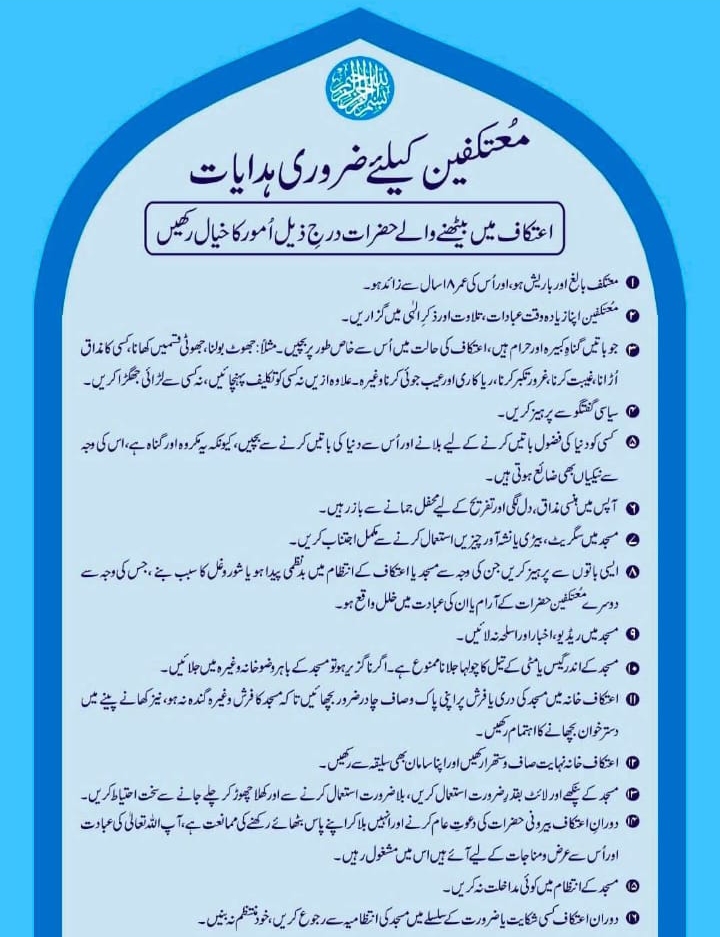
شرائط: اعتکاف کے لیے مسلمان، عاقل ہونا اور روزہ رکھنا ضروری ہے۔
مکان: مردوں کے لیے مسجد (جماعت والی مسجد افضل ہے) اور عورتوں کے لیے گھر میں مخصوص نماز کی جگہ (مسجدِ بیت) اعتکاف کے لیے مخصوص ہے۔
وقت: مسنون اعتکاف رمضان کے آخری عشرے (20 رمضان غروبِ آفتاب سے) میں کیا جاتا ہے۔
اعتکاف کے اقسام:
واجب: منت کا اعتکاف۔
سنتِ مؤکدہ: رمضان کے آخری دس دن کا اعتکاف۔
نفلی: کسی بھی وقت کیا جا سکتا ہے، اس کے لیے روزہ یا خاص وقت شرط نہیں۔
اعتکاف توڑنے والی چیزیں: بلا ضرورت شرعی مسجد سے باہر نکلنا، روزہ توڑنا (یا روزہ ٹوٹ جانا) اعتکاف فاسد کر دیتا ہے۔
مباح امور: اعتکاف میں ضرورت کے مطابق کلام کرنا، کھانا پینا اور سونا جائز ہے، لیکن فضول گوئی اور خرید و فروخت سے احتیاط چاہیے۔
During the last ten days of Ramadan, many Muslims around the world prepare to enter a state of worship and reflection known as aitakaf. But what is aitakaf and how do you perform it? We will be exploring the topic of aitakaf, how to perform aitakaf and the rewards behind it.
We will also be looking to cover the intention for aitakaf, and guidance on aitakaf for women who can also take part in this act of devotion.
The word aitakaf derives from the Arabic root, which means ‘to isolate’ or ‘be devoted’ to something. In practice, aitakaf would involve secluding yourself – usually in a mosque (or a dedicated space at home for women), to seek closeness to Allah through the means of worship, reflection, and remembrance of Allah (zikr). The Prophet Muhammad (Peace be Upon Him) used to observe aitakaf regularly during the last ten days of Ramadan, seeking Laylatul Qadr (the Night of Power), which is better than a thousand months. Performing Itikaf is a spiritual journey that allows Muslims to step away from worldly concerns and fully immerse themselves in the remembrance of Allah.
Niyyah, which is the intention for aitakaf, is a vital part of the act of this worship. Performing aitakaf begins with the Niyyah. Whilst you may not need to say it out loud, your heart must be firmly set to dedicate this time to worshipping Allah.
You may be wondering how to make an intention for aitakaf. It’s simple really. When entering the mosque or your designated place for aitakaf, you must say in your heart (or verbally, if preferred) that you intend to perform aitakaf for the sake of Allah during the last 10 days of Ramadan. This conscious decision to devote yourself to worship and spiritual purification should be made at the beginning of aitakaf, ideally before sunset on the 20th day of Ramadan.
Your focus of aitakaf is to worship Allah and gain as much reward as you can during those last 10 days of Ramadan. Below is a list of things you could do when performing aitakaf.
Maintaining your obligatory 5 daily prayers is vital when performing aitakaf. It is also recommended to pray the Sunnah prayer after each imposed prayer.
You can spend your time praying additional rak’ahs (two by two) as many times as you want. This is also the perfect time to make up for any of your missed prayers in life.
This is the time to spend in making sincere dua to Allah, asking for whatever your heart desires, as well as seeking the forgiveness of Allah. Remember, this is your time to ask for anything big or small, especially during the last third of the night and at the time of breaking your fast, as these are the moments when supplications are most accepted.
“Indeed, in the remembrance of Allah do hearts find peace” [Quran 13:28]. It has been narrated that Prophet Muhammad S.A.W. said “Allah has ninety-nine Names, one hundred less one; and he who memorized them all by heart will enter paradise” [Bukhari].
Reading into the translation of the Quran and understanding it with reflection and contemplation will deepen your knowledge of the verses.
Reading into the Seerah of the Prophet Muhammad S.A.W. would give you an insight into the life that he S.A.W. lived. His way of life is the guidance you need to get closer to Allah.
Joining a group gathering within the mosque to listen to ongoing lectures or discussions will let you learn more through other people’s knowledge around our Deen.
It’s important to take breaks so that you can get back to reciting or studying with a fresh mind. Make sure to set aside time to see to basic needs such as eating, drinking and resting.
aitakaf must be performed in a mosque and cannot be done at home. This can be seen from when Allah mentions in the Quran: “But do not approach them while you are in retreat at the mosques. These are the limits of God, so do not come near them.” [Quran 2:187]
Though men must perform aitakaf in the Mosque, aitakaf is encouraged for women as well. For women to perform aitakaf, they must perform it in a clean, secluded area of their homes, ideally a space designated for worship.
When performing aitakaf at home, women should set clear boundaries so that the purity of the act is maintained. Informing family members about the intention for aitakaf can help ensure there’s no disturbance, and planning can help manage household responsibilities in advance. Just like men, women can reap the same rewards for aitakaf when done sincerely and properly.
In fact, some women find that performing aitakaf at home brings a new sense of peace around them. Setting up a special space with Islamic books, prayer mats and a Qur’an can create a more positive atmosphere. Women should also remind themselves that sincerity in their worship is what counts most, regardless of where they are.
The benefits of aitakaf are to deepen your connection with Allah, with uninterrupted time for prayer and reciting the Quran, ideally renewing the relationship with your Creator. aitakaf not only gives you a chance to follow the Sunnah but also provides time for self-reflection and encourages acts of repentance. Essentially, the core purpose of aitakaf is to pause everyday distractions and strengthen your Iman (faith), earning reward for every moment spent in the remembrance of Allah.
Although there is no specific dua for aitakaf, scholars recommend general supplications that reflect the purpose of sitting for aitakaf. You can make dua for forgiveness, mercy and closeness to Allah.
One of the most beautiful supplications to recite during aitakaf, especially in search of Laylatul Qadr, is:
Allahumma innaka ‘afuwwun tuhibbul ‘afwa fa’fu ‘anni
(O Allah, You are Forgiving and love forgiveness, so forgive me.)
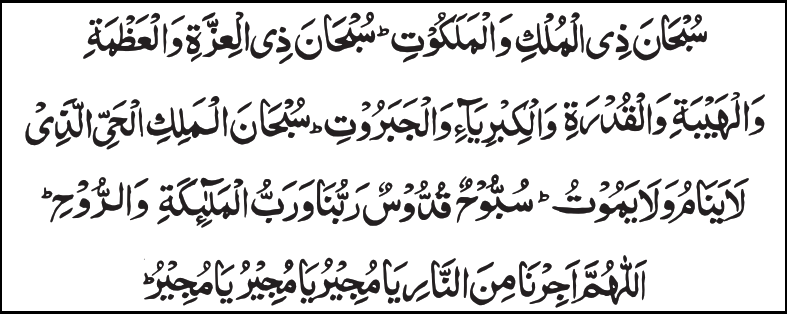
Tarawih Prayer is performed only during Ramadan. Taraweeh Prayer begins from the evening of sighting of Ramadan Moon and continues throughout Ramadan till the Shawwal moon is sighted. It is offered after Isha Prayer but before 3 Rakah of Isha Witr Prayer, which is also prayed in congregation during Ramadan only.
During the entire month of Ramadan, special prayers called Taraweeh are conducted daily by Muslims after every Isha Prayer. The word Taraweeh or Tarawih is an Arabic word that means To rest and relax.
1- Taraweeh Prayer is one of the gifts of Ramadan and it is performed by Muslims during the holy month of Ramadan.
2- Taraweeh Prayer is not Fardh or Wajib (obligatory). According to many scholars and teachings of Sahabas [companions of Prophet (S.A.W.)], offering it is Sunnah Muakkadah [(confirmed Sunnah of Prophet (S.A.W.)] and comes under Qiyaam al-layl (night prayers).
3- Offering Taraweeh prayer in congregation (for men only) is Sunnah of our Prophet (S.A.W.).
4- The time for praying Taraweeh (qiyaam) is after Isha Prayer until Fajr Prayer. Normally, it is prayed in congregation after Isha Prayer.
5- Taraweeh Prayer consists of 20 Rakah (2×10 units) with small breaks after every 4 Rakah.
6- Taraweeh Prayer is offered as a normal Congregational Prayer with intention of 2 units and following the Imam.
7- After completing 20 Rakahs, 3 units of Witr Prayer is offered in the congregation.